
How Condition Changes the Value of a 1992 Penny
The market valuation of a 1992 Lincoln cent depends directly on the physical state of the metal and the absence of circulation traces.
This specific year features a transition to a new reverse type creating one of the most expensive varieties in modern US numismatics.
The price difference between a circulated coin and a specimen in exceptional preservation reaches several thousand percent.
Coins were struck at two primary facilities: Philadelphia (no mint mark) and Denver (D mark).
The total mintage exceeded 9 billion specimens making standard examples available at face 1992 penny value.
Composition: Zinc core (97.5%) plated with a thin layer of copper (2.5%).
Mass: 2.5 grams.
Diameter: 19.05 millimeters.
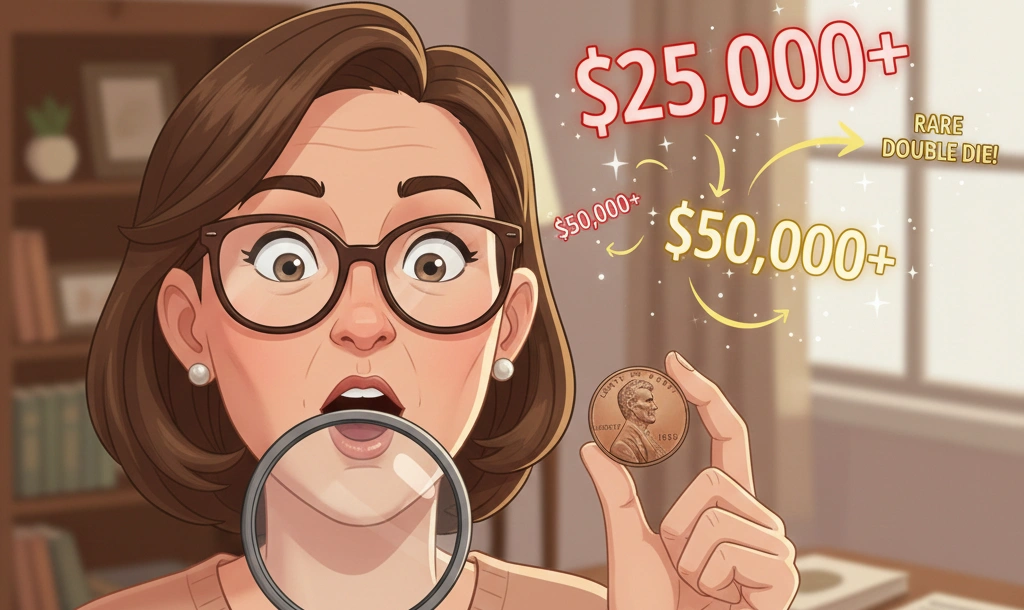
Impact of the Sheldon Scale on Pricing
A grading system ranging from 1 to 70 points determines the value hierarchy of 1992 coins.
Coins in Mint State (MS60–MS70) show the highest price volatility upon a one-point grade change.
Grade | Philadelphia Price | Denver Price |
MS63 | 0.20 USD | 0.20 USD |
MS65 | 1.00 USD | 1.00 USD |
MS67 | 15.00 USD | 12.00 USD |
MS68 | 140.00 USD | 115.00 USD |
MS69 | 3,500.00 USD | 450.00 USD |
Auction statistics record an annual price growth for MS69 specimens at a level of 12–15% due to their extreme rarity.
Specimens graded below MS65 lose liquidity trading at the level of shipping costs.
Surface Color Classification
For 1992 copper coins, preserving the original color remains a critical factor.
Three categories exist: Red (RD), Red-Brown (RB), and Brown (BN).
Red (RD): Preservation of over 95% of the original orange-red luster.
Red-Brown (RB): Presence of 5% to 95% reddish tint against darkening.
Brown (BN): Total absence of original luster caused by natural oxidation.
Transitioning from the RB to the RD category increases the coin's value by 5–10 times for grades above MS66.
The presence of fingerprints or carbon spots reduces the price by 40–60% despite high relief detail.
The 1992 "Close AM" Variety
The primary factor radically changing the value involves a die manufacturing error known as "Close AM."
In 1992, the plan involved using a reverse featuring a wide distance between the letters A and M in the word AMERICA (Wide AM).
However, a small number of coins were struck using a die intended for the 1993 commemorative issues.
Identifiers of the Close AM Variety
Letters A and M: Practically touching at the bottom.
Designer's Initials (FG): Positioned further from the Lincoln Memorial compared to the standard type.
Mint | Grade | Record Price (USD) | Sale Date |
Philadelphia | MS67 RD | 25,850 USD | 2017 |
Denver | MS65 RD | 7,000 USD | 2015 |
Philadelphia | MS64 RD | 5,000 USD | 2021 |
For this variety, the price drop upon a grade decrease amounts to approximately 30% per Sheldon scale step.
The number of confirmed Close AM specimens for Philadelphia is measured in the dozens supporting a consistently high price level.
Mechanical Damage and Wear
Coins having been in circulation lose numismatic value due to the wearing down of portrait details.
Wear first affects Lincoln's hair on the obverse and the columns of the Memorial on the reverse.
About Uncirculated (AU): Minimal wear on high relief points reduces the price to 0.10–0.50 USD (excluding Close AM).
Very Fine (VF) and lower: Value equals the face value of 1 cent.
The presence of bag marks on Lincoln's cheek serves as the primary reason for disqualifying coins from top grades (MS68+).
Chemical Degradation of the Zinc Core
The 1992 composition specifics (zinc with copper plating) create a risk of "zinc rot."
Upon damage to the thin copper layer, moisture reacts with the zinc causing the formation of white bubbles.
The appearance of corrosion signs automatically excludes the coin from investment lists.
Statistics show up to 20% of 1992 coins in non-hermetic packaging undergo degradation within 10 years.
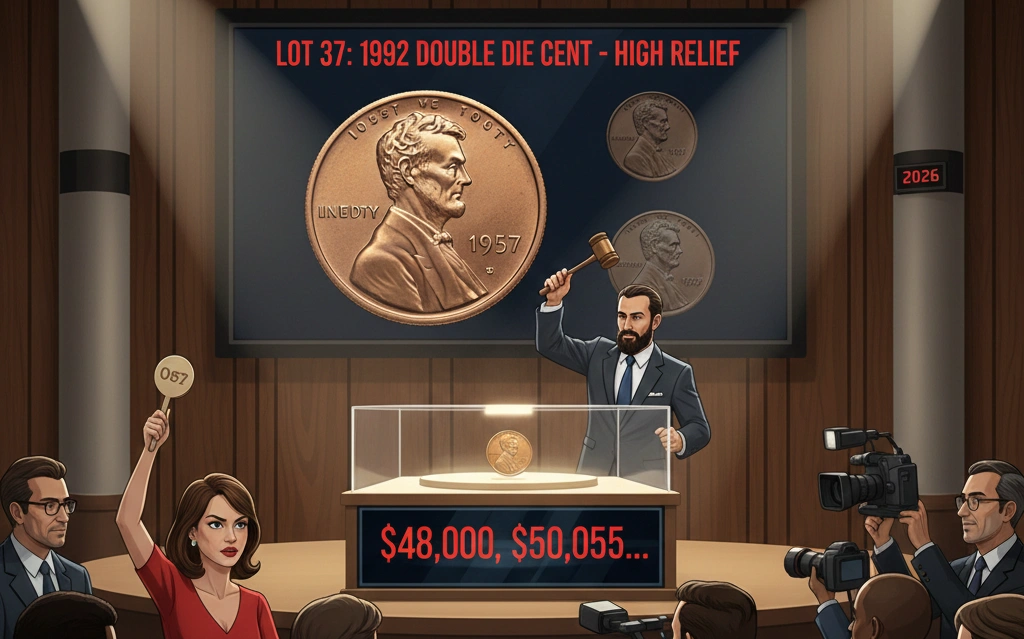
Liquidity and Market Trend Analysis
The liquidity of a 1992 penny depends on the rarity of the grade and color combination.
MS68 RD specimens sell at specialized auctions within a single trading cycle.
Coins in MS66 RD grade and lower possess low investment attractiveness due to vast supply.
Five-Year Value Change Percentage (2019 - 2024)
MS69 RD (Philadelphia): +18% growth.
MS67 RD (Close AM): Price stabilization with +/- 5% fluctuation.
MS65 RD (Standard): 10% price decrease due to market saturation.
Professional Certification Methods
To fix a coin's condition, encapsulation is used.
The process involves authenticity verification, reverse type determination (Wide/Close), and assigning an alpha-numeric grade.
Certification costs range from 25 to 60 dollars per coin, or are free if you use the coin appraisal app.
This makes the procedure justified only for Close AM varieties or coins claiming a grade of MS68 and higher.
The 1992 penny remains one of the most sought-after search objects among modern US coins.
Condition serves as the only barrier separating a regular coin from a rare lot valued at thousands of dollars.
Methodical study of every 1992 coin for the presence of touching A and M letters guarantees finding a valuable specimen given sufficient sample volume.
Storing coins in a dry climate prevents zinc core destruction fixing the asset's market value.
Conclusion
Analyzing the factors changing the 1992 penny value confirms the dominant role of physical condition.
Using objective grading criteria inside the coin value app allows investors to accurately determine yield potential.
The Close AM variety remains the main catalyst of interest for this year demonstrating resilience to market fluctuations.
Adhering to professional appraisal standards ensures transaction transparency in the secondary numismatic market.